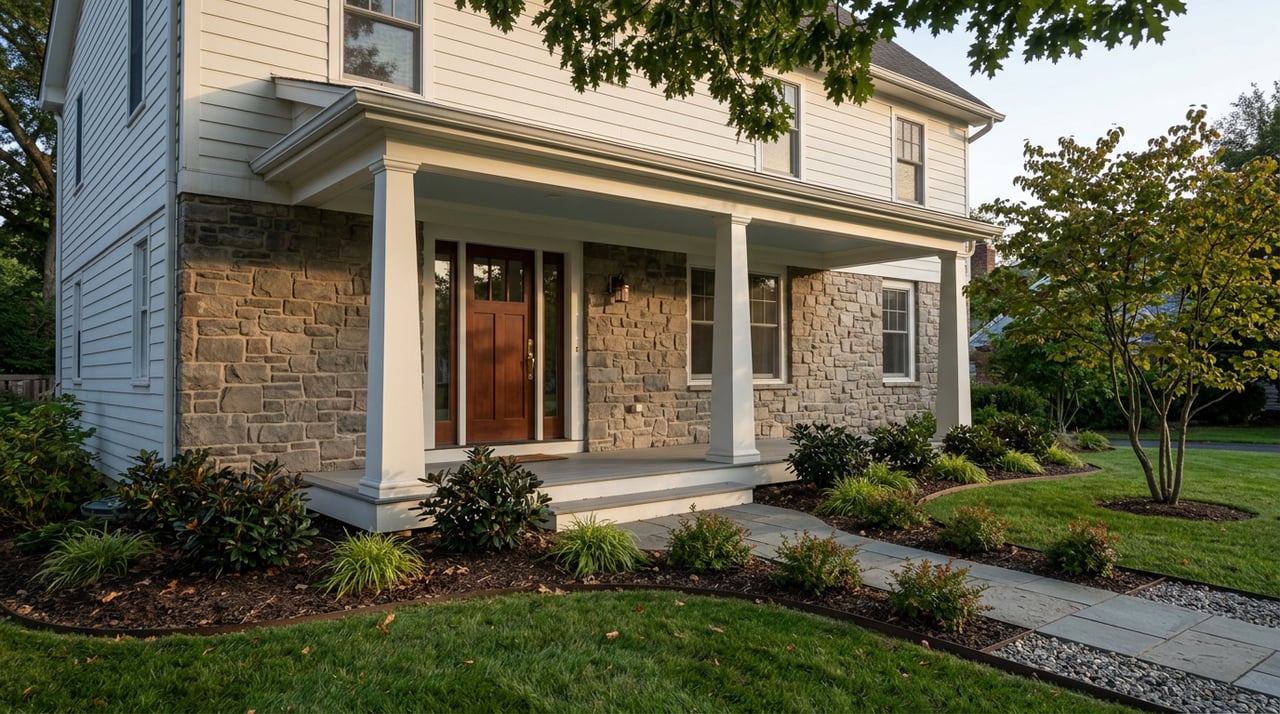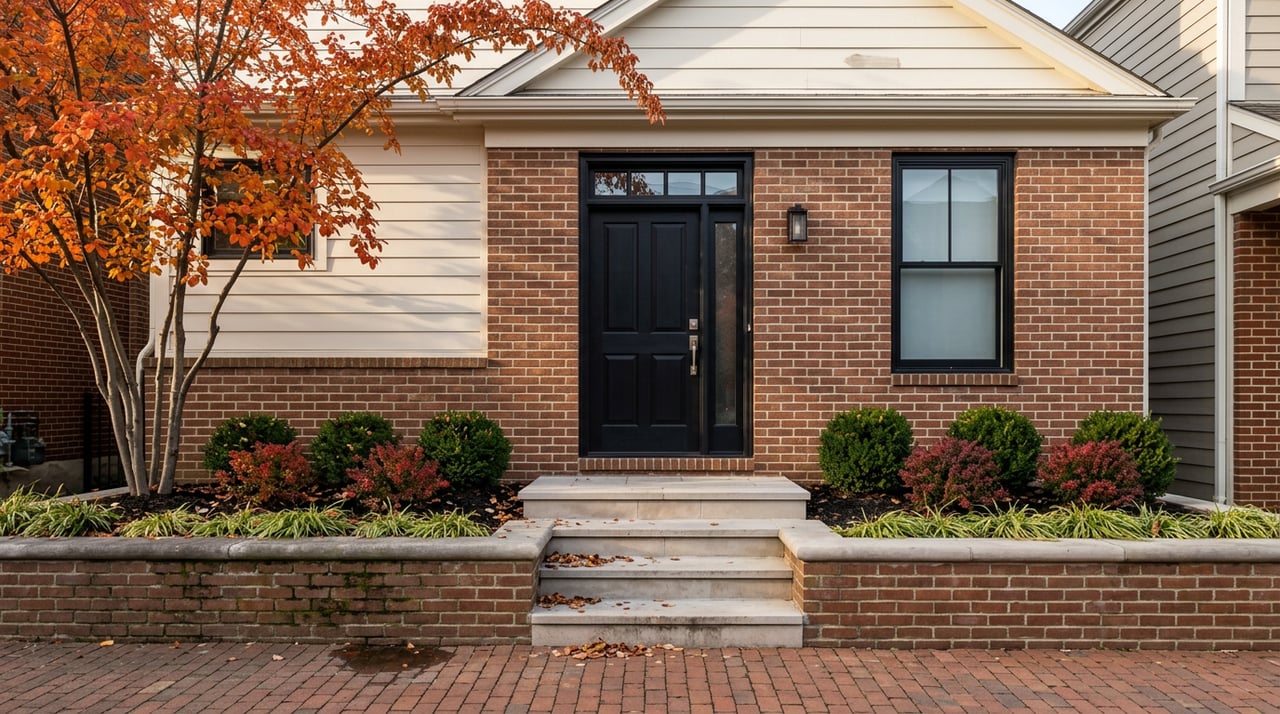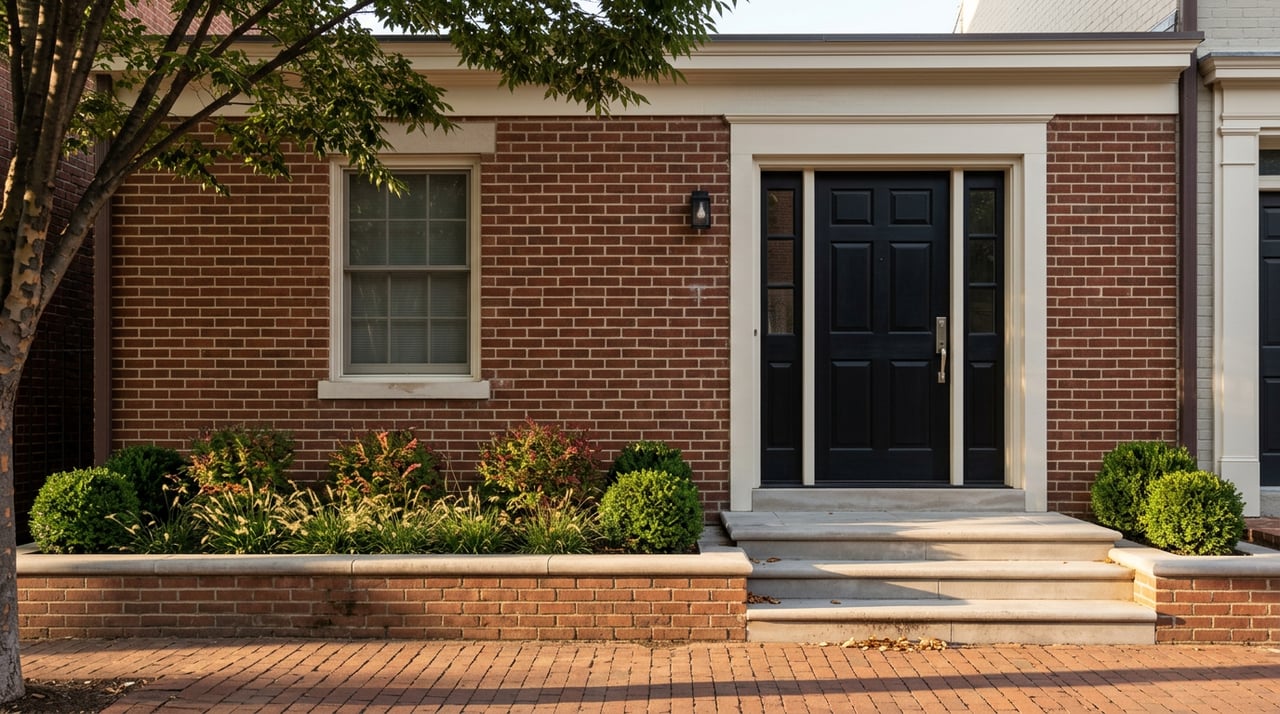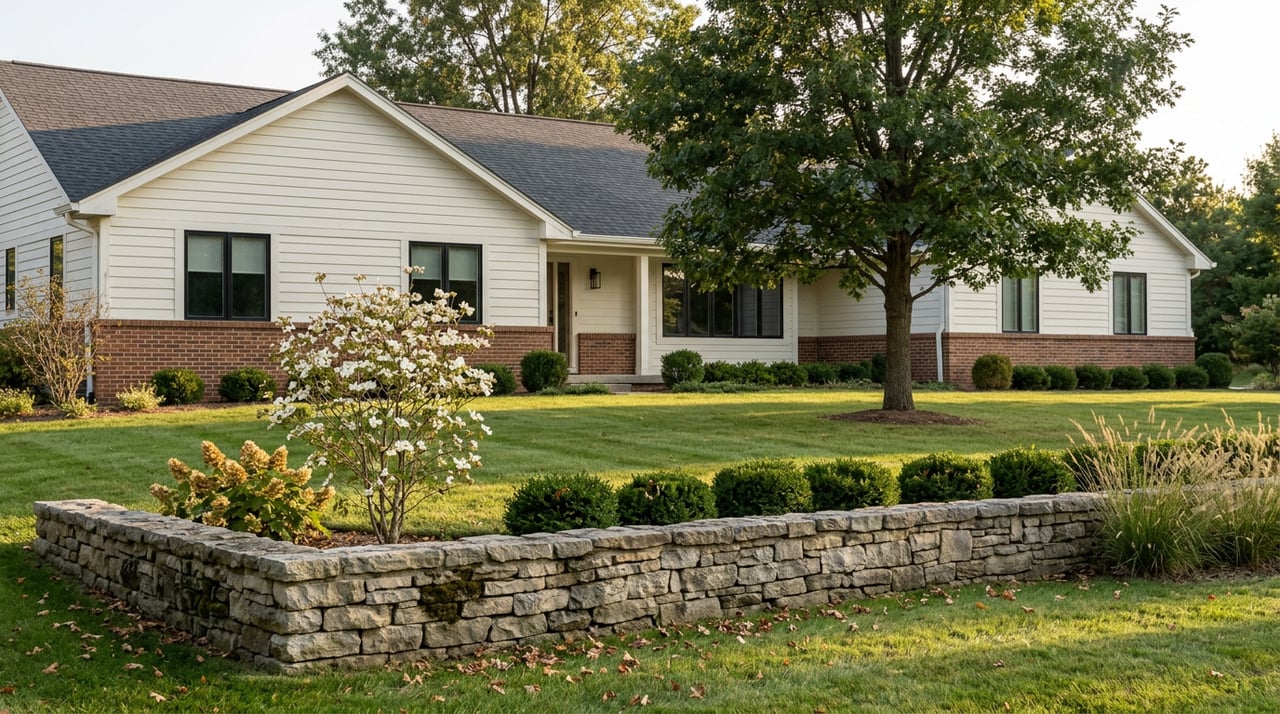
A Damascus listing says the house has a well and septic system already in place. What does that phrase actually guarantee a buyer? Less than it sounds like. It means a system exists on the property today. It says nothing about whether that system will clear the tests Maryland now requires before you can settle, and it says nothing about how long those tests might take if something needs fixing first.
That gap between what the listing implies and what the law requires is where Damascus contracts get interesting, and it is worth walking through before you write an offer, not after your lender asks a question you cannot answer.
Why so much of Damascus runs on private systems in the first place
This is not incidental to how the town grew. In 1980, Montgomery County drew a line around roughly 93,000 acres, about a third of the county, and declared it the Agricultural Reserve. Damascus sits inside and around that boundary. The zoning that came with it caps residential density hard: one dwelling per 25 acres in the Agricultural Reserve zone itself, and one dwelling per 5 acres in the Rural and Rural Cluster zones that ring the town, according to Montgomery Planning's own description of the Ag Reserve.
That density cap is the reason public water and sewer lines never followed the houses out here the way they did in Gaithersburg or Rockville. Extending WSSC service to a subdivision where the county has deliberately limited you to one house every five or twenty-five acres does not pencil out the way it does in a townhome cluster off Route 355. So the county's own 1980 planning decision, not personal preference for country living, is why a meaningful share of Damascus real estate still runs on private wells and septic fields. When you see "well and septic in place" in a Damascus listing, you are looking at the downstream effect of a zoning map drawn 46 years ago.
The law that changed on October 1, 2024
Here is what actually happens between contract acceptance and closing on one of these properties, and it is newer than most buyers moving from a public-water suburb expect. Maryland Real Property Code Section 10-713, effective October 1, 2024, made well water quality testing a legal condition of sale, not an optional inspection item. The statute requires that any contract for a property served by a private well include a provision for water quality testing, and settlement cannot happen until both the seller and the buyer have received the results and certified in writing that they reviewed them, according to the statute text itself. A buyer can waive the requirement, but only in writing. Results are good for three years, which matters if you are buying a property where the seller already tested recently.
This is not a box an inspector checks quietly in the background. It is a settlement blocker written into state law, and a title company summarizing the change noted plainly that the responsibility falls on the seller to make sure it happens. If you are under contract on a Damascus property and nobody has mentioned this test yet, that is worth raising this week, not at week three.
Montgomery County adds a second layer: radon
Radon testing is a separate requirement, and Montgomery County has required it since October 2016 for the sale of any single-family home or townhome countywide, well or no well. The test results have to be less than a year old at settlement. What surprises buyers is what the law does not require: even if the result comes back at the EPA's action level of 4.0 pCi/L or higher, the seller has no legal obligation to install a mitigation system. Everything above that turns into a negotiation, not a mandate, and it has to happen inside the inspection contingency window that most Maryland contracts set at 7 to 14 days from contract acceptance.
So a Damascus buyer is often managing two separate testing tracks on the same clock: a water test that state law says must clear before settlement, and a radon test that county law says must exist but does not force anyone's hand on the result. Knowing which one has teeth and which one is a negotiating chip changes how you spend those two weeks.
Where the timeline actually gets squeezed
This is the part that catches people who assume a failed well or septic component just means scheduling a repair crew. Montgomery County's Department of Permitting Services runs the testing for new or replacement septic systems in two stages: a water table test first, then a percolation test. The water table test determines how deep the groundwater sits, and the county only conducts it in late winter to early spring, when the water table is at its seasonal high. If a Damascus septic system needs a full replacement and the problem surfaces in July, the county's own testing window for verifying the new system may not open again until the following winter.
That is not a delay you can negotiate around with a faster contractor. It is a calendar constraint built into how the test works. A septic system permit itself, once issued, is only valid for 12 months with one 6-month extension available, so timing the permit against the seasonal testing window matters twice over.
On the well side, the state's minimum flow standard for approving a new well is 1 gallon per minute, which works out to roughly 1,440 gallons a day. That clears the legal bar, but a well producing right at that minimum means a household has to space out heavy water use, laundry, dishes, a shower, across the day rather than running them together. Setback rules add their own friction too: a septic tank has to sit at least 100 feet from any well and at least 15 feet from any building, which can constrain where a future addition, pool, or detached garage can go on a smaller lot.
What this looks like on the ground in Damascus
These rules are not abstract for this market. Recent listings across Damascus subdivisions, including The Plantations, Damascus Manor, and Damascus Valley Park, routinely reference well and septic status directly in the property description, and land listings near Kingstead Road advise buyers to confirm septic feasibility with the county before assuming a lot is buildable. As of July 2026, 42 houses were on the market in Damascus, ranging from $405,000 to $2,395,000, with a median price of $563,924 and homes spending an average of 37 days on the market before going under contract. In that kind of pace, a buyer who loses six weeks to a seasonal testing window is losing real leverage, not just time.
If you are comparing a Damascus property against something in Gaithersburg or Germantown on public water and sewer, this is the piece of the comparison that a median price alone will never show you.
A few questions worth settling before you write an offer
Can I skip the well water test if I trust the seller? You can waive it, but only in writing, and only after understanding that you are also waiving the legal protection that keeps settlement from happening until someone has actually looked at the results.
What if the radon test comes back high after I am already under contract? You still have options inside your inspection contingency window, typically 7 to 14 days from acceptance, but the seller is not legally required to fix it. Any resolution is a negotiation between you and them.
Does buying in the Agricultural Reserve mean I can never get public water? Not automatically, but the county's own guidance treats public water and sewer as the expectation only where service already exists nearby, and extending it to most Rural and Agricultural Reserve zoned parcels is neither required nor typical given the density limits in place.
If you are looking at a property in Damascus with a well and septic system and want to understand what that specific parcel's permit history and testing timeline actually look like before you write an offer, or you are wondering what your own well and septic property might be worth in this market, Rosie Tomlinson has spent years walking Montgomery County buyers through exactly this kind of paperwork. Let's Connect before you're negotiating against a calendar you didn't know existed.